Starting a Business in the UK as an Expat? Here’s What You Need to Know Legally!

Dreaming of launching your own venture in the dynamic UK market? It’s an exciting prospect, but as an expat, navigating the legal landscape can feel a bit like a maze. Don’t sweat it! This guide will break down the essential legal requirements to get your business off the ground smoothly and compliantly.
Getting Started: Visa and Immigration Essentials
First things first, your right to live and work in the UK is paramount. For expats looking to start a business, there are specific visa routes designed to support entrepreneurs. It’s crucial to secure the right one before you dive into business operations.
Key Visa Routes for Entrepreneurs
- Innovator Founder Visa: This is the main route for experienced businesspeople seeking to set up an innovative, viable, and scalable business in the UK. You’ll need an endorsement from an approved body.
- Global Talent Visa: If you’re a leader or potential leader in digital technology, arts and culture, or science and research, this visa could allow you to set up a business while pursuing your talent.
- Spouse/Partner Visa: If your partner holds a UK visa that permits work, you might be able to start a business under their sponsorship.
Always check the latest UK government immigration rules, as these can change. Getting professional immigration advice is highly recommended.
Choosing Your Business Structure: The Foundation
The legal structure of your business impacts everything from liability to tax obligations. Think carefully about which option best suits your needs and future plans.
Common Business Structures for Expats
- Sole Trader: Simple to set up, you are personally responsible for all business debts. Ideal for low-risk, small operations. Many expats start here to test the waters.
- Limited Company (Ltd): This is a separate legal entity from its owners, meaning your personal liability is limited to the amount you invest. It offers credibility and can be more tax-efficient for growing businesses, but comes with more administrative responsibilities.
- Partnership: If you’re starting with one or more people, a partnership could work. Each partner shares responsibility for the business. Again, there are different types (e.g., General Partnership, Limited Partnership, Limited Liability Partnership).

Registering Your Business: Making it Official
Once you’ve got your visa sorted and your structure chosen, it’s time to make it official with the UK authorities.
Key Registration Steps
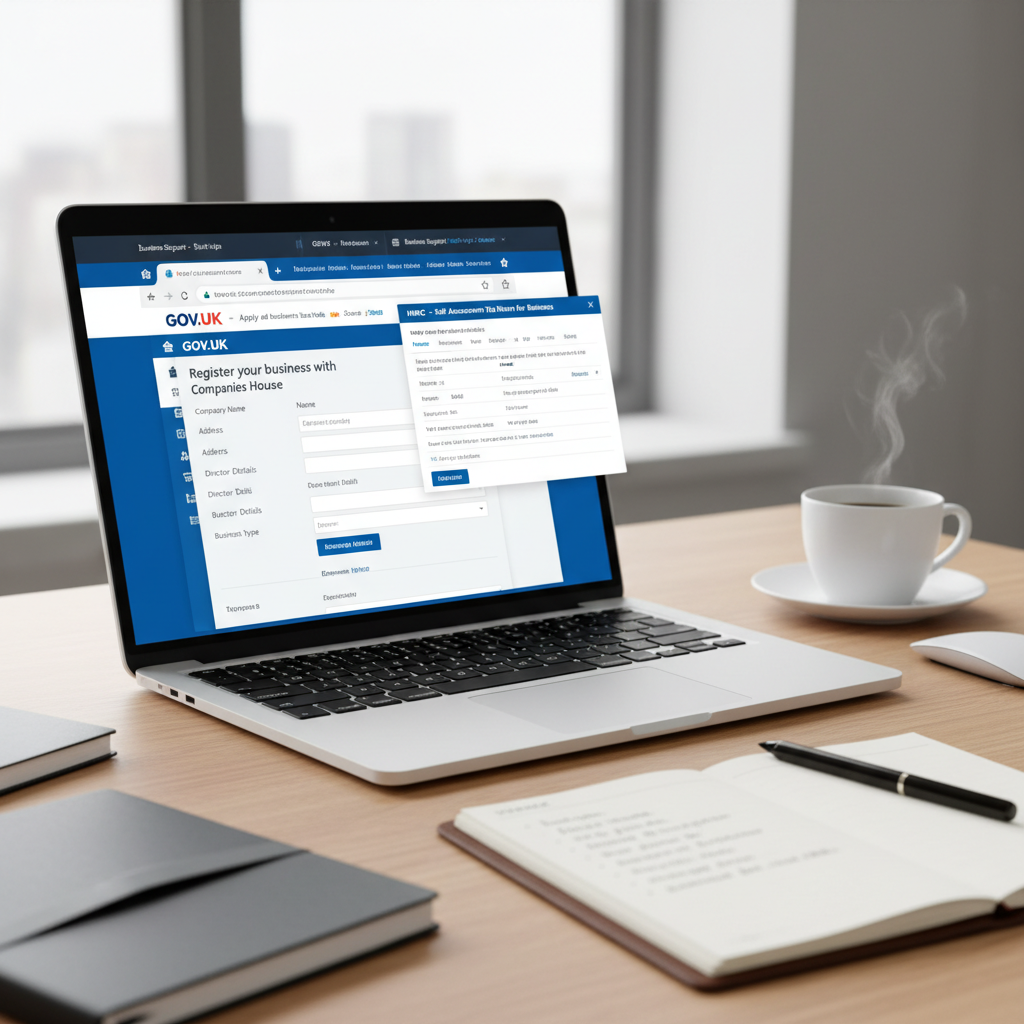
- Companies House (for Limited Companies): You’ll need to register your company’s name, address, directors, and shareholders. This process creates your company’s legal identity.
- HMRC (Her Majesty’s Revenue and Customs): Regardless of your structure, you’ll need to register with HMRC for tax purposes. This includes:
- * Self-Assessment if you’re a sole trader or partner.
- * Corporation Tax if you run a limited company.
- * PAYE if you plan to employ staff.
- * VAT (Value Added Tax) if your business’s taxable turnover exceeds the current threshold (check HMRC for the latest figures).
Tax Obligations: Playing by the Rules
Understanding your tax duties is non-negotiable. The UK tax system can be complex, so professional advice from an accountant specializing in expat businesses is a smart move.
Main UK Taxes to Consider
- Income Tax: Paid on personal income, including profits from sole trader businesses or salaries/dividends from a limited company.
- National Insurance Contributions (NICs): These contribute to your state pension and certain benefits. Both employees and self-employed individuals pay NICs.
- Corporation Tax: Levied on the profits of limited companies.
- VAT: A consumption tax added to most goods and services. If you’re VAT registered, you’ll charge it to customers and pay it to HMRC.
Essential Compliance: Beyond Registration
Registration is just the beginning. Ongoing compliance is crucial to avoid penalties and ensure smooth operations.
Areas of Ongoing Compliance
- Data Protection (GDPR): If you handle personal data of customers or employees, you must comply with UK GDPR. This includes registering with the ICO (Information Commissioner’s Office).
- Business Bank Account: Open a dedicated business bank account. Mixing personal and business finances is a big no-no for tax and legal clarity.
- Licenses and Permits: Depending on your industry (e.g., food, childcare, financial services), you might need specific licenses or permits from local councils or regulatory bodies.
- Insurance: Protect your business with appropriate insurance, such as public liability, professional indemnity, or employer’s liability insurance (mandatory if you hire staff).
- Employment Law: If you hire employees, you’ll need to comply with UK employment law, covering contracts, minimum wage, working hours, and pension auto-enrolment. You also need to verify their right to work in the UK.
Seeking Professional Advice: Your Best Bet
While this guide provides a great starting point, the intricacies of UK law, especially for expats, can be complex. Always seek professional advice from immigration lawyers, business solicitors, and accountants who specialize in supporting international entrepreneurs. They can offer tailored guidance based on your specific circumstances, ensuring you meet all legal requirements and set your business up for success.
Launching a business in the UK as an expat is a fantastic journey. By understanding and adhering to the legal requirements, you’re well on your way to building a thriving enterprise!